Seasonal Party Ideas for a Bar With Private Room
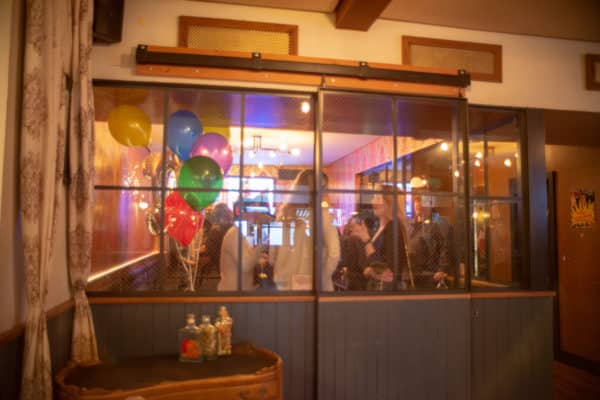
A good private event rarely hinges on one big gesture. More often, it comes down to a series of smart choices that make guests feel comfortable, looked after, and pleasantly surprised. That is especially true when the venue is a bar. People often assume a bar party is easy by default, that drinks alone carry the night. In practice, the strongest events have a point of view. They give people something to do, something to talk about, and a reason to stay for that second hour instead of leaving after one round.
That is where a Bar With Private Room has a real advantage. The room creates separation without cutting the party off from the energy of the venue. Guests feel like they have their own space, but the event still benefits from the atmosphere, staff support, and beverage program of a professional bar. Over the years, that balance has made private bar rooms one of the most reliable setups for birthdays, client gatherings, engagement parties, holiday socials, alumni meetups, and team celebrations that need to feel polished without becoming stiff.
Seasonal planning makes those events even better. When the party fits the time of year, choices become easier. Menus feel more natural. Decor can be lighter because the season already does part of the work. Guests understand the mood almost immediately. A winter event can lean intimate and warm. A spring gathering can feel fresh and social. Summer can be loose and playful. Fall tends to land in that sweet spot between festive and sophisticated.
The trick is to use the season as a frame, not a costume. No one needs a room overloaded with props or a theme so literal it feels like a school dance. The most memorable events usually build around one or two seasonal ideas and then execute them well.
What makes a private room party work in a bar setting
A private room solves a few common event problems at once. It gives a host control over the guest experience, reduces competition with regular bar traffic, and creates a better environment for speeches, games, presentations, or group dining. At the same time, because it is still attached to a bar, you do not have to manufacture atmosphere from scratch. That matters more than many hosts realize.
In a banquet hall, dead space can swallow a small crowd. Twenty people in a large room can feel sparse and awkward. In a bar with a dedicated private room, twenty people can feel lively. The scale is usually more forgiving. Low lighting, music, and quicker service also help break down the social stiffness that shows up during the first thirty minutes of many events.
There are trade-offs, of course. Some private rooms have fixed furniture or limited audiovisual capabilities. Others feel perfect for cocktails but cramped for a plated dinner. If the group includes older family members, very loud music from the main bar can become a problem even if the room has a door. If the event starts early, the room may feel ideal at 6 p.m. And more crowded at 9 p.m. Once guests relax and spread out. These are not deal-breakers, but they are details worth asking about before choosing a concept.
The best hosts think about flow. Where do people put coats? Can a buffet fit without blocking servers? Is there a corner for gifts, branded materials, or a cake? Does the room support mingling, or will people stay pinned to one seat? Those practical questions shape the success of the event more than decorative details ever will.
Spring parties that feel fresh instead of fussy
Spring events tend to do well in private bar spaces because people are ready to leave winter behind, but they are not yet in full summer mode. There is still an appetite for structure. That makes spring perfect for gatherings that combine social energy with a little intention.
A botanical cocktail evening is one of the easiest wins. It sounds elevated, but it does not need to be expensive or precious. Ask the bar to feature two or three spring-forward drinks built around herbs, citrus, cucumber, elderflower, or gin. Pair that with simple tablescape touches, such as small bud vases or green accents, and the room takes on a seasonal identity without much effort. This format works especially well for networking events, bridal showers, and milestone birthdays where guests may not all know one another. Drinks become natural conversation starters.
Another strong option is a spring tasting party. Instead of a full sit-down meal, create stations or passed bites matched with drinks. Think sparkling wine with light seafood, aperitif spritzes with whipped ricotta crostini, or a fresh pilsner with fried artichokes or asparagus tempura. The point is not to stage a formal culinary event. The point is to give guests little moments of discovery. That style also suits a Bar With Private Room because the room can hold the group together while the staff manages timing from the main service area.
For a more personal celebration, spring works beautifully for a “new chapter” theme. I have seen this used for thirtieth birthdays, post-engagement parties, farewell gatherings, and even low-pressure baby showers where the host wanted something adult and social rather than game-heavy. A wall for short notes, a signature drink named after the guest of honor, and a playlist that shifts from mellow to upbeat can carry the whole event. Spring naturally supports that sense of transition.
What usually falls flat in spring is overdecorating. Pastels can become saccharine fast. Floral installations look lovely online, but in a smaller private room they often take up space you need for trays, ice buckets, or movement. Use flowers sparingly and spend the money on food quality or an extra bartender instead.
Summer ideas that keep the energy moving
Summer parties in a bar private room benefit from contrast. Outside, people expect heat, daylight, and spontaneity. Inside, the best private events offer relief and rhythm. Cold drinks, easy food, and enough activity to keep people circulating tend to outperform highly structured programs.
One of the most reliable summer formats is a vacation-inspired cocktail party. The theme can be coastal, tropical, Mediterranean, or road-trip Americana, depending on the venue’s style. The trick is restraint. A good version might feature crushed-ice drinks, grilled skewers, citrus-heavy snacks, and a soundtrack that suggests summer without turning the room into a novelty act. A bad version leans on plastic props and sugary cocktails no one wants after the first sip.
For company teams, client entertainment, or friend groups, summer is also ideal for a “late afternoon into evening” event. Start around 5:30 p.m. With bright cocktails and lighter food, then let the menu deepen as the night goes on. I have watched this timing rescue many events. People arrive in a good mood, still carrying daylight energy, and the party builds naturally. By contrast, summer events that start too late can lose momentum because guests have already committed to outdoor plans or arrive overheated and hungry.
Game-driven formats can work well in summer, especially for casual groups. A private room can host trivia, music bingo, card stations, or a short tasting challenge. Keep it light. Guests generally do not want a lot of rules when the weather is warm. One of the better summer birthday parties I saw used a simple “choose your summer drink persona” card at the entrance, then grouped a few cocktails around those profiles. It was low stakes, funny, and surprisingly effective at getting strangers talking.
If your guest list includes a wide age range, summer can be the easiest season for food. Mini lobster rolls, sliders, charred corn dip, chilled noodles, fruit-forward desserts, and frozen or spritz-style drinks are familiar and forgiving. Guests can eat standing up, and no one feels they signed up for a formal dinner.
Fall events have built-in mood
Fall is the season that makes hosts look smarter than they are. The palette already feels rich. The weather encourages indoor gathering. People are back from vacations and more willing to commit to a date. In a private bar room, fall often produces the most naturally balanced events of the year.
The obvious move is harvest-inspired food and drink, but there is room to sharpen the idea. Instead of generic pumpkin everything, lean toward ingredients with depth: apple, pear, maple, rosemary, cinnamon, fig, brown butter, sage. A whiskey or amaro-focused cocktail menu can feel seasonal without becoming predictable. A room lit well, with dark florals or textured linens, almost does the rest.
Fall is also a strong season for more structured social formats. Think book club anniversary parties, alumni mixers, tasting dinners, fundraising preview nights, or engagement parties with short toasts. Guests tend to have slightly longer attention spans in fall than they do in midsummer. They are happy to sit for a while, then stand and mingle. That makes a Bar With Private Room especially useful because you can stage the evening in phases. Drinks first, then a shared moment, then another round of service.
For birthdays and friend-group events, one of the better concepts is a “favorite things” party. Each menu item, playlist block, or activity references something meaningful to the guest of honor. Fall gives that idea enough coziness to avoid feeling self-conscious. I once saw this done in a room with framed photo prints clipped on one wall, a short seasonal cocktail list, and a simple dessert table with apple cake and chocolate tarts. Nothing was extravagant, but every decision felt considered. Guests stayed far longer than expected.
A note of caution with fall: private rooms can heat up quickly. Between layered clothing, full attendance, and richer food, a room that felt comfortable during a site visit may feel stuffy mid-event. Ask about airflow and whether the temperature can be adjusted. It sounds minor until a room full of people starts fanning themselves at 8 p.m.
Winter parties reward warmth and pacing
Winter is where private bar rooms really earn their keep. People want shelter, atmosphere, and a reason to leave the house. A well-run winter event in a bar can feel luxurious without requiring luxury-level spending.
Holiday parties are the most obvious fit, but they work best when they are not trying to satisfy every possible expectation. A private room has limitations. Instead of cramming in a DJ, a photo booth, a buffet, gifts, and speeches, pick the one or two experiences that matter most. Maybe the focus is a top-shelf cocktail package and substantial passed food. Maybe it is a seated dinner with one celebratory sparkling toast. Maybe it is a winter cocktail workshop followed by dessert. Simplicity reads as confidence.
For non-holiday winter events, consider concepts built around comfort and interaction. A hot toddy and whiskey tasting can be excellent for smaller groups. So can an après-ski style gathering with spiked cider, fondue-inspired bites, and a playlist that feels warm rather than festive. January and February are often overlooked, but they can be surprisingly good months to book a Bar With Private Room because availability tends to improve once the December rush passes. Guests are also more appreciative of a thoughtful invitation during that quieter stretch of the year.
Winter birthdays benefit from intimacy. Candlelight, darker glassware, heavier textures, and a menu with one really good indulgence often beat overcomplicated entertainment. I have seen hosts spend too much on visual decor and too little on guest comfort. Coats piled on chairs, slow drink service, and not enough savory food will sink a winter event faster than plain centerpieces ever could.
If the room has windows, timing matters. A 4:30 p.m. Start can capture a little fading daylight before the room shifts into full evening mode. That transition feels elegant. If the room is windowless, lean into it. Rich lighting, deeper music, and a slower reveal of food and drinks can make the space feel deliberate rather than enclosed.
Seasonal details that guests actually notice
Hosts often ask where to spend money. My answer is usually the same: on the things guests touch, taste, and wait for. Decor photographs well, but service is what people remember. A party in a private room succeeds when no one has to wonder where to stand, when food is coming, or how to order another drink.
These details carry more weight than they might seem:
- A welcome drink ready on arrival, even if it is simple.
- Food within the first thirty minutes, especially if alcohol is flowing.
- Clear signage or a host greeting, if the private room is tucked away.
- One visible focal point, such as a cake table, tasting station, or seasonal bar menu.
- Music adjusted for conversation, not just atmosphere.
Those five choices solve most of the friction points that derail otherwise attractive events.
There is also real value in editing the guest experience to suit the season. In spring and summer, people tolerate more movement and standing. In fall and winter, they appreciate a few more seats, a place to set a glass, and heavier hors d'oeuvres. If your crowd includes colleagues plus partners, or family mixed with https://penzu.com/p/c7adb2f75241a05c friends, that flexibility becomes even more important. Not everyone socializes at the same pace.
Matching the format to the occasion
Not every seasonal idea suits every event. The room, guest list, and social purpose need to line up. This is where hosts either make the night feel effortless or accidentally create tension.
A birthday group that loves lively interaction can support games, signature cocktails, and a late finish. A client event probably needs easier conversation, cleaner design, and food that can be eaten neatly with one hand. An engagement party often works best when there is just enough structure for a toast and photos, then plenty of room for mingling. A retirement celebration usually benefits from better acoustics and seating, because the emotional center of the event is conversation.
The private room gives you a container, but not a script. I have seen hosts make the mistake of copying a concept that looked good for someone else without asking whether it fit their own guests. A tequila tasting might sound fun, but not if half the invite list prefers wine and wants a quieter evening. A formal seated dinner can feel elegant, but not if the room is better suited to circulating and casual bites.
When evaluating ideas, it helps to think in terms of guest energy. Do you want people moving or lingering? Talking in small groups or sharing one focal activity? Posting photos or relaxing into the atmosphere? Seasonal styling should reinforce those goals, not compete with them.
A simple planning framework for hosts
If you are trying to shape an event without overcomplicating it, narrow your decisions in this order:
- Choose the mood first, lively, intimate, celebratory, or polished.
- Build the food and drink format around how guests will socialize.
- Use the season to guide color, ingredients, and pacing.
- Reserve budget for service upgrades before extra decor.
- Walk through the guest journey from arrival to final round.
That order prevents the most common planning mistake, which is falling in love with a theme before confirming the room and service style can actually support it.
How to work with the venue like a pro
The strongest events happen when the host treats the venue team as collaborators, not just order-takers. A private room inside a bar has its own rhythms, and staff usually know what the room handles best. Ask them which layouts move well, which food formats hold up, and how long groups typically stay energized. Those answers are often more useful than a long package menu.
Be honest about your priorities. If your main goal is a social atmosphere, say so. If speeches matter, say that too, because it affects sound, timing, and furniture setup. If the guest of honor hates being the center of attention, that changes the room plan as much as any budget decision. Staff can usually adapt, but only if they know the truth.
It is also smart to ask what the private room feels like at full capacity, not just what number it can legally hold. There is a meaningful difference between “fits 40” and “comfortably hosts 40 with food service.” In many cases, shaving five or six people off the invite count improves the whole night.
A Bar With Private Room can offer that rare combination of ease and atmosphere, but the room should never be treated as a blank box. It has character, strengths, and limitations. Seasonal planning works best when it responds to those realities. If the room is dark and moody, lean into winter warmth or fall richness. If it has daylight and airy finishes, spring and summer concepts may come more naturally.
The result should feel less like a rented room with drinks and more like a gathering that belongs exactly where it is. That is the difference guests notice, even if they cannot name it. They leave feeling that the night had shape, momentum, and care. In event planning, that is usually the whole game.
The Winslow
Address: 243 E 14th St, New York, NY 10003
Phone number: +12127777717
FAQ About Bar With Private Room
Which bars in NYC offer private rooms?
Many bars in New York City offer private and semi-private rooms for parties and events, ranging from hidden basement speakeasies to upscale lounge spaces. Top options include The Back Room on the Lower East Side, Dear Irving Gramercy, Pebble Bar in Midtown, Mister Paradise in the East Village, and The Winslow in the East Village.
What is a private room in a pub called?
A small, private seating area or partitioned booth in a traditional pub is most commonly called a snug. Larger private rooms used for events, parties, or dining are typically referred to as private dining rooms, function rooms, or back rooms.
How much does a 2 hour open bar cost?
A 2-hour open bar generally costs between $15 and $45 per person, depending heavily on the quality of alcohol you choose. For a standard group of 100 guests, this translates to an overall cost of $1,500 to $4,500 before taxes, setups, and staff gratuities.