The Best Ways to Promote an Event at a Bar With Private Room
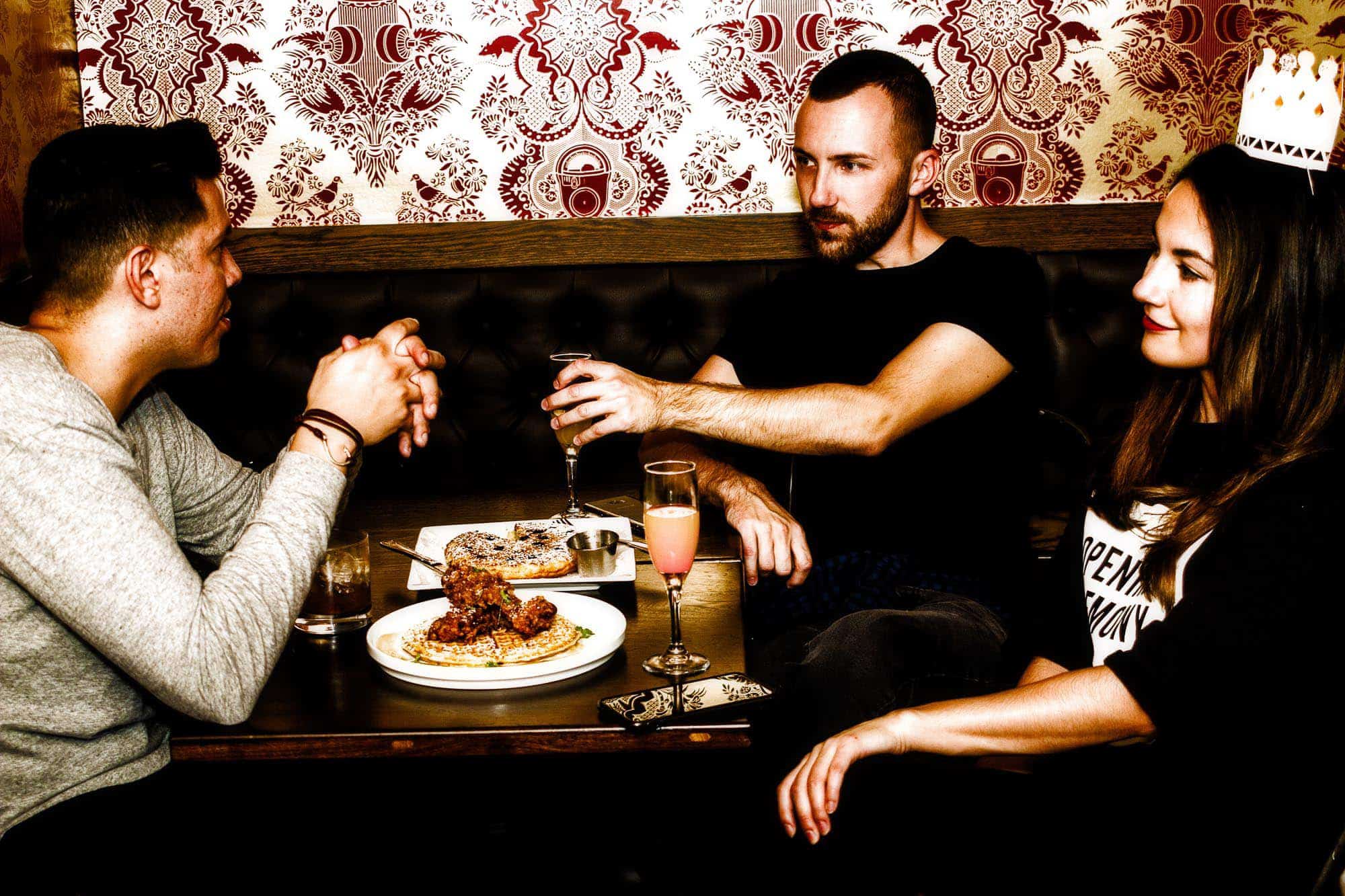
A great event can still fall flat if nobody feels a reason to show up. That is especially true when the venue is a bar with private room space. You are not only selling the event itself, you are selling a specific atmosphere, a sense of access, and the promise that this gathering will feel better than the usual night out.
That distinction matters. A private room changes the psychology of attendance. People expect something more curated, more comfortable, and more worth leaving home for. Whether you are planning a birthday party, networking mixer, tasting night, comedy set, trivia competition, watch party, or client event, your promotion has to communicate more than time and location. It has to answer a simple question in a compelling way: why this room, why this bar, why this night?
The best promotion works when the message matches the room. I have seen bars spend heavily on broad social ads for events that were actually built for intimate groups, and the turnout felt random. I have also seen modest promotions fill a room because the event was framed correctly from the start. Private-room events respond well to sharper targeting, better visuals, and stronger host involvement than generic public bar nights.
Start by defining what makes the event worth attending
Before you write a caption, design a flyer, or run an ad, get precise about the event's appeal. Many promotions underperform because they lean on vague language like "join us for a fun night" or "great drinks and great vibes." That kind of copy tells people almost nothing. Every bar says that.
A private room gives you specific advantages. It might offer quieter conversation, dedicated service, a custom drinks menu, AV for presentations, a more polished setup for celebrations, or privacy for guests who do not want a crowded main floor. Use those details. If the room has leather booths, warm lighting, a projection screen, a separate sound system, or a bartender stationed nearby, say so. These details help people picture the experience.
It also helps to clarify the event type in practical terms. A birthday event promotion should feel social and celebratory. A company happy hour should emphasize convenience, comfort, and easy conversation. A ticketed tasting should spotlight exclusivity, limited seats, and what guests will sample. Promotion improves when the promise is concrete.
One of the simplest tests is to ask whether someone could understand the event from one short paragraph. If they cannot tell who it is for, what will happen, and why the private room matters, the messaging needs work.
Build the promotion around the room, not just the bar
A lot of event marketing treats the private room as a footnote. That is usually a mistake. If someone sees "hosted at X Bar" and never realizes there is a dedicated room attached, they may imagine a noisy public crowd and pass on the invitation.
The phrase Bar With Private Room can be a strong search and messaging asset when used naturally. People actively look for that setup for birthdays, rehearsal gatherings, alumni meetups, work socials, and low-pressure celebrations. If the venue fits that need, put the feature in the event description, website copy, social captions, and email subject lines where appropriate.
This does not mean stuffing the keyword everywhere. It means making the room central to the event's appeal. A private room is not just extra square footage. It affects guest comfort, conversation quality, noise levels, photo opportunities, and group flow. If your event would feel ordinary in the main bar but special in a private room, that contrast should be part of the story.
Photos do a lot of work here. Wide shots of the room matter more than crowded bar photos. Show seating layout, lighting, signage, food setup, and any decorative touches. If the room can be customized, show that too. Empty-room photos help with logistics, but staged-room photos help with emotional buy-in.
Create an offer that gives people a reason to act now
Attendance improves when people feel a slight urgency, not artificial pressure. The cleanest way to do that for a private-room event is to lean on limited capacity. That is real, easy to understand, and tied directly to the venue.
If your room comfortably holds 25 to 60 people, say that space is limited and mean it. People respond to a smaller cap because it implies a better experience. "Limited seats in our private tasting room" tends to perform better than "tickets available now" because it communicates both scarcity and setting.
The offer can take several forms. It might be an early RSVP perk, a reserved welcome drink, discounted pre-sale tickets, first access to preferred seating, or a group booking incentive. What matters is that the offer fits the event and feels proportionate. Guests can smell gimmicks quickly. A serious networking event does not need a flashy discount. A casual birthday karaoke party probably does not need a formal ticket tier.
Timing matters as much as the offer itself. In practice, private-room events often get their strongest response in two windows: first announcement, when the event feels fresh, and the final three to five days, when people commit. Promotions should be paced accordingly rather than blasted continuously for two weeks with the same artwork and wording.
Use host credibility to do the heavy lifting
For private-room events, the host often matters more than the venue brand. That is true for birthday celebrations, fundraisers, community meetups, launch events, and industry mixers. People attend because they trust the host to gather the right crowd.
This is where many bars miss an opportunity. They post the event once on the business account and assume that is enough. It rarely is. The strongest turnout usually comes when the venue and the host coordinate their promotion. The host should post personal invitations, short videos, or behind-the-scenes clips that feel more direct than branded graphics.
Guests respond especially well when they sense intent. A quick host message like "I booked the private https://www.google.com/maps?cid=9305732499708573250 room so we can actually hear each other and have our own space" can outperform a polished flyer because it sounds human and specific. When hosts explain why they chose the venue, they lend credibility to the room.
If there are co-hosts, speakers, performers, or organizers involved, give them ready-to-share materials but encourage customization. Copy-and-paste posts are fine as a baseline, though turnout usually improves when each person frames the event in their own voice.
Match the channel to the type of crowd
Not every event needs the same media mix. A birthday or reunion might be filled mostly through direct outreach, Instagram stories, and group chats. A ticketed whiskey tasting may do better with email, local partnerships, and paid social targeting. A business mixer may rely heavily on LinkedIn, personal invites, and industry communities.
The mistake is treating all audiences as if they discover events the same way. They do not. Younger social groups often convert from peer sharing and visual content. Corporate groups convert when the logistics are easy and the event sounds worth the calendar slot. Niche hobby crowds care more about specificity than flashy design. A fantasy football draft event in a private room will fill if people know the screens, seating, and food package are right. A vague promotional campaign will not save a poor fit.
When I have seen private-room promotions work best, they usually focus on just a few strong channels rather than trying to appear everywhere. Consistency matters more than sprawl. Better to have a solid event page, clear social content, and direct host outreach than five neglected platforms with stale information.
The most effective promotional assets
You do not need a huge stack of materials, but you do need a few essentials done well.
- A clear event page or landing page with the basics, including date, time, cost, dress expectation if relevant, parking or transit notes, and why the private room matters.
- A set of room photos and short video clips that show the space as guests will actually experience it.
- Two or three distinct social captions, so your posts do not repeat the same language every time.
- A direct invitation template for text, email, or DM, written in a more personal tone than public-facing posts.
- A reminder message for the final week that gives people one last practical reason to commit.
That mix covers most of what you need. It also keeps the campaign from becoming visually repetitive. Too many bars reuse the same square flyer over and over, even though the room itself is the real selling point.
Make the visuals feel like the night itself
Event promotion rises or falls on whether the visuals create a believable picture of the experience. If you are marketing a private room, generic cocktail stock images are a wasted opportunity. People want to see where they will sit, stand, celebrate, toast, and talk.
Use images that show scale. A room can look elegant but tiny, or spacious but cold, depending on how it is shot. Include people in at least some of the photos if possible. A private room often feels ambiguous when empty. With guests, drinks, plates, and lighting in place, it becomes real.
Short video helps even more. A ten-second walkthrough from the entrance to the room can answer half the questions people have without forcing them to read. If there is a feature that solves a pain point, like a semi-private entrance, a projector, movable seating, or a quieter sound profile than the main bar, show that directly.
Design should stay readable. Too much text on a graphic makes it harder for guests to understand the event at a glance. Save details for captions and landing pages.
Write copy that sounds like a person, not a poster
Many event promotions suffer from stiff, overdesigned language. The more polished the graphic, the more important it becomes for the copy to feel natural. Guests do not want to decode marketing language. They want to know if the event will suit them.
The best event copy tends to answer four things without sounding formulaic: what it is, who it is for, why it will be enjoyable, and how the room improves the experience. You can do that in a few sentences. For example, a sports watch party could mention reserved seating, a dedicated screen setup, easier conversation than the main bar, and a limited guest count so everyone has a good view. That is already more persuasive than "Join us for an epic game night."
Specificity is persuasive because it lowers uncertainty. If guests know there will be passed appetizers from 7 to 8, a welcome cocktail for early arrivals, and a private room with lounge seating, they can imagine themselves attending. Vague language keeps the event abstract.
Direct outreach fills private rooms faster than broad awareness
There is a place for public promotion, but direct invitations are often what make a private-room event successful. This is one of the clearest patterns I have seen across small and mid-sized events. Public posts generate familiarity. Personal outreach gets commitments.
That does not mean spamming everyone in your contacts. It means identifying the people most likely to attend and giving them a message that feels deliberate. For hosts, that can be as simple as a text saying, "We booked the private room at the bar so we can actually hang out without fighting the crowd. Want me to save you a spot?" That tone works because it is grounded in the actual guest experience.
For business or community events, personal outreach can come from multiple people involved. A short note from a host, partner, speaker, or community organizer often converts far better than an impersonal event link dropped into a feed.
If the venue staff is helping with promotion, they should also know what kind of crowd fits the event. Bartenders, managers, and regulars can be strong advocates when they understand who should come and what the setup is.
Partnerships can outperform paid ads
Paid social has its place, especially for ticketed events with a broader audience, but private-room events often benefit more from local partnerships than from cold advertising. Think nearby offices, alumni groups, neighborhood associations, hobby clubs, vendors, or community leaders who already have a trusted relationship with the right audience.
A wine tasting in a bar with private room space might partner with a local cheese shop or sommelier. A networking event could coordinate with a co-working space. A birthday package push might get traction through event planners or photographers who regularly hear from clients seeking intimate venues. These partnerships work because they carry context. They position the event in front of people who already have a reason to care.
Paid promotion can still help, but it should be built around a defined audience. A narrow local radius, age range, and interest profile usually beats broad citywide targeting for events in smaller private rooms. If capacity is limited, there is little value in buying cheap impressions from people who are unlikely to come.
Timing your campaign so it feels alive
Promotion should build in waves. A flat campaign loses energy quickly. For most private-room events, I prefer a staggered approach that starts with the strongest hook, then adds practical details, then closes with social proof and urgency.
An early post should announce the event and frame the room as part of the appeal. A mid-campaign post can highlight food, drink, entertainment, or host details. The final push should answer hesitation: how many spots remain, what the night will feel like, and why waiting is a bad idea if the room is genuinely nearing capacity.
This is also where RSVPs matter. If you already have a good base of confirmed guests, say so carefully. Phrases like "more than half the room is spoken for" or "we are close to capacity" can help, as long as they are accurate. Social proof works best when it sounds restrained and believable.
Common mistakes that quietly hurt turnout
Some problems are easy to spot, like bad photos or missing event details. Others are more subtle and more damaging.
One common mistake is overestimating how much people understand the venue layout. A bar may be well known, but that does not mean guests know there is a separate room or what it is like. Another is underestimating the need for host participation. The venue cannot carry the whole promotion if the event relies on a personal or niche audience.
A third issue is failing to align the tone of the promotion with the actual experience. If the event copy sounds exclusive and upscale but the room setup is casual and playful, guests may feel misled. The reverse happens too. Some rooms are genuinely stylish and comfortable, but the promotion makes them sound generic. That is a missed sale.
Last, there is the temptation to promote too late. Private-room events can absolutely pick up in the last week, but that only works if people have heard of them beforehand. You need enough lead time for awareness and enough urgency near the end to convert.
What bars should emphasize when they are promoting the room itself
If you are not just promoting one event but also trying to attract future bookings, treat each event as a proof point for the venue. Show how the room adapts. One week it may host a birthday dinner with custom décor. Another week it may be a polished client mixer. Another, a watch party or engagement celebration. Versatility matters, but only when paired with concrete evidence.
This is where case-style content performs well. Instead of simply saying your venue is ideal for private events, show how a recent one was arranged, what food format worked, how the seating was set, and why guests liked the separation from the main bar. A sentence or two of genuine feedback can go a long way if it is specific.
The phrase Bar With Private Room often attracts search interest from planners who are not looking for a nightclub or a banquet hall. They want somewhere social, comfortable, and less formal. Your promotion should speak to that middle ground. The sweet spot is often intimacy without stiffness.
Measuring what actually worked
It is surprisingly easy to finish an event, feel busy, and still not know what drove attendance. If you are serious about improving promotion, track more than likes. Ask guests how they heard about the event. Check whether clicks came from Instagram, email, partner shares, or direct messages. Compare RSVP timing against your post schedule. Notice whether room photos outperformed flyer graphics.
You do not need sophisticated analytics to learn useful lessons. Often, a simple post-event review reveals a lot. Maybe half the room came from host texts. Maybe the teaser video produced stronger saves and shares than static images. Maybe weekday email worked better for your audience than weekend posting. These patterns shape the next event and prevent wasted effort.
The most effective event marketers I know do not chase every trend. They get the fundamentals right, pay attention to guest behavior, and improve one campaign at a time.
Promotion works best when the experience is easy to say yes to
At the end of the day, marketing cannot rescue a confusing event. The easiest private-room events to promote are the ones built around a clear promise: a setting that feels better than the main floor, a guest list that makes sense, and logistics that do not create friction.
That means the event page should be easy to read. The RSVP or ticket process should take less than a minute. The room should look like the photos. Staff should know what guests are arriving for. Signage should help people find the space without awkward wandering through the bar. Good promotion creates momentum, but good operations protect it.
When those pieces line up, a bar with private room space becomes much easier to market because the room is not just a feature. It is the reason the event feels special. And when people sense that before they walk in the door, your promotion has already done its job.
The Winslow
Address: 243 E 14th St, New York, NY 10003
Phone number: +12127777717
FAQ About Bar With Private Room
Which bars in NYC offer private rooms?
Many bars in New York City offer private and semi-private rooms for parties and events, ranging from hidden basement speakeasies to upscale lounge spaces. Top options include The Back Room on the Lower East Side, Dear Irving Gramercy, Pebble Bar in Midtown, Mister Paradise in the East Village, and The Winslow in the East Village.
What is a private room in a pub called?
A small, private seating area or partitioned booth in a traditional pub is most commonly called a snug. Larger private rooms used for events, parties, or dining are typically referred to as private dining rooms, function rooms, or back rooms.
How much does a 2 hour open bar cost?
A 2-hour open bar generally costs between $15 and $45 per person, depending heavily on the quality of alcohol you choose. For a standard group of 100 guests, this translates to an overall cost of $1,500 to $4,500 before taxes, setups, and staff gratuities.